
The Complete Guide to Implant in Dentistry: Types, Procedures, and Benefits
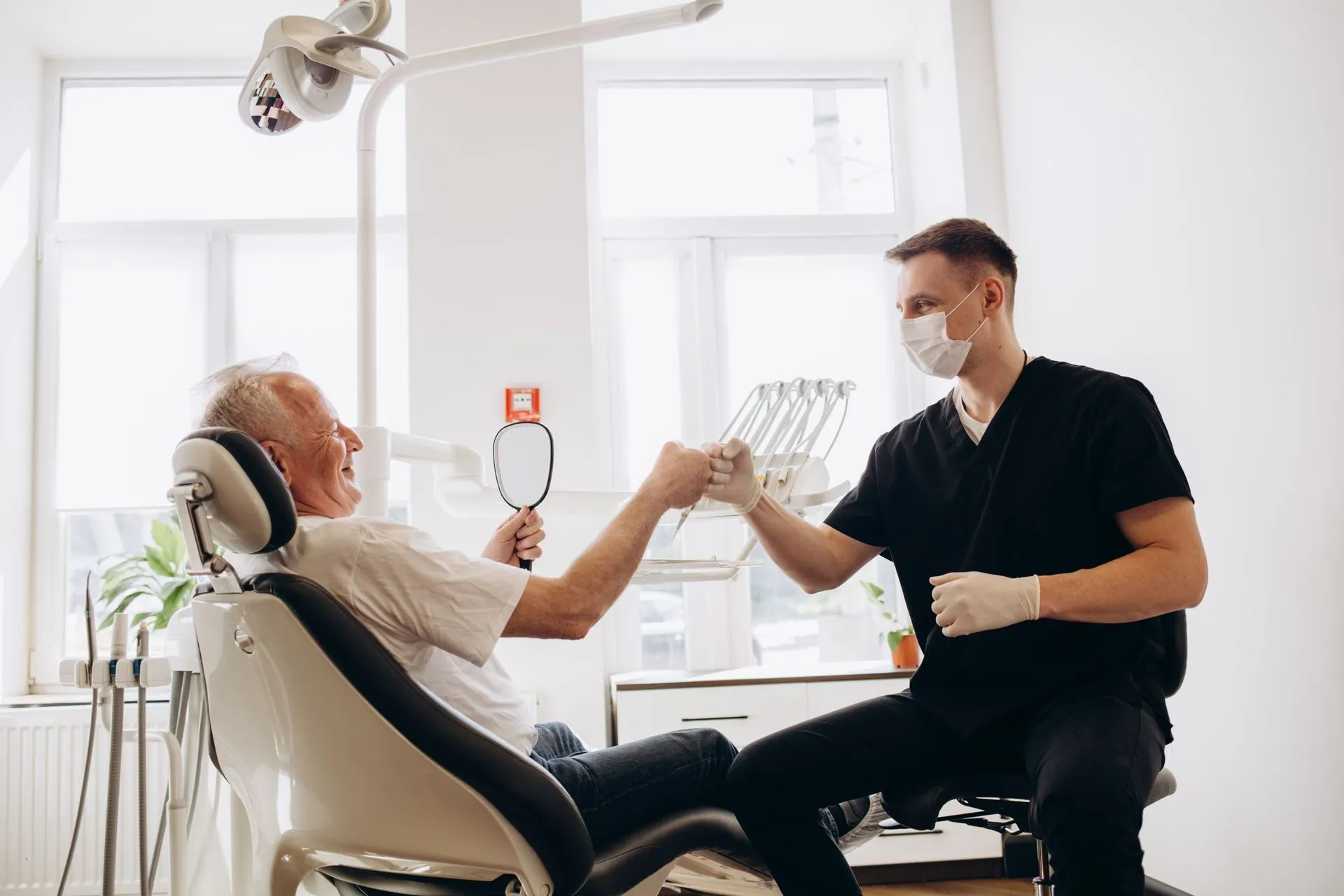
If you are missing one tooth or several, dental implants have become the most predictable way to replace them permanently. Understanding the different implant types, what the procedure actually involves, and how implants compare to other options makes it far easier to walk into a consultation knowing which questions to ask.
What Are Dental Implants?
A dental implant is a small titanium or zirconia post placed into the jawbone to act as an artificial tooth root. Over the following months the surrounding bone grows around the post in a process called osseointegration, which locks it permanently in place. Once healed, the implant supports a crown, bridge, or full arch of replacement teeth.
What separates an implant from a denture or a traditional bridge is where the support comes from. A denture rests on the gums and a conventional bridge leans on the neighboring teeth. An implant stands on its own, anchored in bone, which is why it feels and functions so much like a natural tooth.
Types of Dental Implants
Not every mouth is a candidate for the same implant design. Your dentist selects an approach based on bone volume, bone density, and how many teeth need replacing.
- Endosteal implants: The most common type by a wide margin. A screw-shaped post is placed directly into the jawbone, and this is the design most patients receive when they have adequate bone height and width.
- Subperiosteal implants: A metal framework positioned on top of the jawbone but under the gum tissue. This option is reserved for patients with significant bone loss who cannot or prefer not to undergo grafting.
- Zygomatic implants: Longer implants anchored in the cheekbone rather than the upper jaw, used in advanced upper-jaw bone loss cases where standard implants would have nothing to hold onto.
- Mini implants: Narrower posts sometimes used to stabilize a lower denture when space or bone width is limited.
Implant Restoration Options
The post is only half of the treatment. What goes on top depends on how much of your smile needs rebuilding.
- Single tooth implant: One post plus one custom crown replaces one missing tooth without altering the healthy teeth on either side.
- Implant bridge: Two or more implants support a span of connected teeth, which replaces several teeth in a row without needing an implant for every single one.
- Full arch restoration: Four to six implants support a complete fixed arch, the approach behind Dr. Saluja's Denture Eliminator Protocol.
- Implant-retained overdentures: A removable denture that snaps securely onto implants, a middle path for patients who want stability at a lower investment than a fixed arch.
The Dental Implant Procedure Step by Step
Implant treatment is staged over several months, and most of that time is healing rather than appointments.
1. Consultation and 3D Planning
Your dentist reviews your medical history, examines your bite, and captures a CBCT scan. That 3D image shows exactly where bone is available and where nerves and sinuses sit, so implant position can be planned digitally before any surgery happens.
2. Preparatory Treatment If Needed
Some patients need an extraction, a bone graft, or a sinus lift first. These procedures rebuild the foundation so the implant has enough healthy bone to integrate with, and they add a few months to the overall timeline.
3. Implant Placement
The post is placed through a small opening in the gum, guided by the digital plan. Most patients are surprised by how routine this appointment feels, and local anesthetic or IV sedation keeps it comfortable throughout.
4. Osseointegration
Bone fuses to the implant surface over roughly three to six months. A temporary tooth is often provided during this phase so you are never without a smile.
5. Abutment and Final Restoration
Once healing is confirmed, a connector called an abutment is attached and your final crown, bridge, or arch is fitted. Shade and shape are matched to your surrounding teeth so the result blends in rather than standing out.
Benefits of Choosing Dental Implants
- They preserve jawbone: An implant stimulates bone the way a natural root does, which slows the bone loss and facial collapse that follow missing teeth.
- They protect healthy teeth: Unlike a traditional bridge, an implant does not require reshaping the adjacent teeth for support.
- They restore full bite strength: Most patients return to eating the foods they had given up, including crusty bread, apples, and steak.
- They stay put: No adhesives, no slipping mid-sentence, and no removing anything at night.
- They last: With good hygiene and regular checkups, implant posts frequently last decades, and the crown on top can be replaced if it ever wears.
Are You a Candidate for Dental Implants?
Most healthy adults are candidates. The factors that matter most are bone volume at the implant site, gum health, and whether any conditions could interfere with healing. Uncontrolled diabetes, active gum disease, and smoking all raise the risk of complications, though none of them is automatically disqualifying. Patients who were told years ago that they had too little bone are often candidates today thanks to grafting and guided placement techniques.
Why Choose Lakeside Family & Implant Dentistry for Dental Implants
- Implant-focused expertise: Dr. Raman Saluja is an ICOI Diplomate whose practice centers on implant and full-arch restoration, from single tooth cases to complete rebuilds.
- Digital planning technology: CBCT imaging, digital scanning, and in-house 3D printing allow implant position to be planned and verified before surgery rather than adjusted during it.
- Sedation for anxious patients: IV sedation makes longer implant appointments comfortable for patients who have avoided treatment for years.
- Start to finish in one practice: Planning, surgery, and the final restoration all happen with the same team at our Clinton Township and Madison Heights offices, with no outside referrals to coordinate.
Take the First Step Toward a Complete Smile
Dental implants are a long-term investment in how you eat, speak, and feel about your smile. The right implant type and restoration depend entirely on your bone, your bite, and your goals, which is why a consultation with 3D imaging is the only reliable way to know your options.
Ready to find out whether implants are right for you? Contact Lakeside Family & Implant Dentistry to schedule a consultation at our Clinton Township or Madison Heights office.